Ahoi Ashtami 2026: Date, Vrat Rituals, Puja Timings & Fasting Details
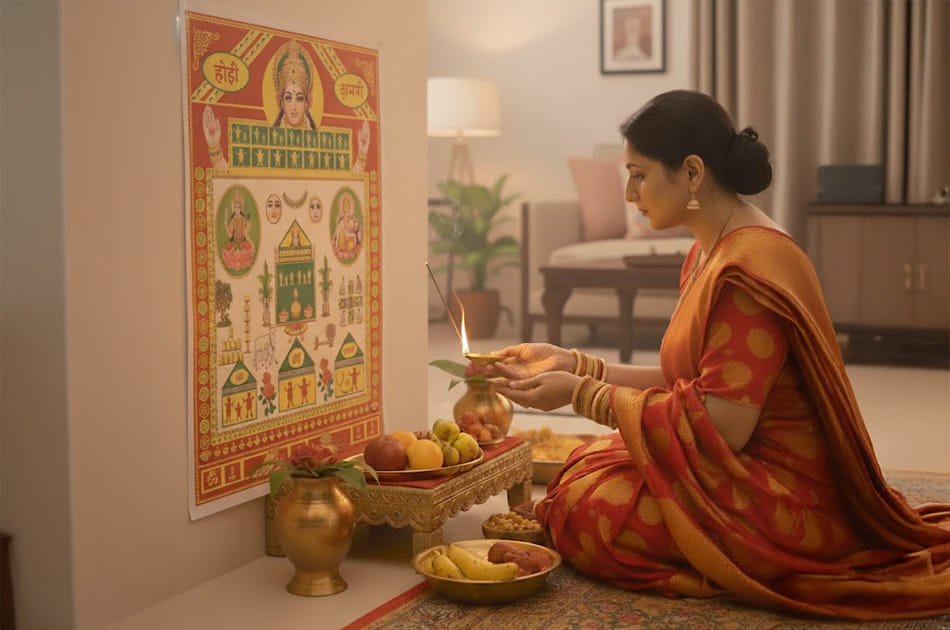
Ahoi Ashtami is traditionally celebrated by mothers where they fast from dawn to dusk for the well being of their sons. However, in the 21st century , fasting is observed for the welfare of all children including daughters. The day long fast is opened during the twilight upon sighting stars in the sky. Few women break their fast after the sighting of the moon but it might be a tad challenging to follow as the moon is seen late on the eve of Ahoi Ashtami.
The pious occasion falls approximately eight days before Diwali Puja and four days after Karwa Chauth. Like Karwa Chauth, Ahoi Ashtami is primarily celebrated in North India. It is called Ahoi Ashtami because fasting for Ahoi Ashtami is done during Ashtami Tithi which is the eighth day of the month.
Just like Karwa Chauth, Ahoi Ashtami is a rigorous fasting day and most women avoid food and even water throughout the day.
Significance of Ahoi Ashtami
Ahoi Ashtami is more than just a fast, it is an emotional expression of a mother’s love, care, and prayers for her children’s prosperity and protection. According to astrology, the day carries powerful cosmic energy that strengthens the bond between mother and child.
On this day, mothers observe a fast from sunrise to moonrise and break it only after sighting the stars in the evening sky. This act of devotion is believed to invite Goddess Ahoi’s blessings, bringing happiness, longevity, and prosperity to the family.
Astrologically, Ahoi Ashtami marks a significant planetary alignment that symbolizes a shift in energy. It is said that during this period, divine forces create a protective shield around children, guarding them against negative influences. Devotees believe that performing the rituals and prayers with full faith enhances the protective energy around their loved ones.
Women worship Goddess Ahoi Mata, the divine protector of children, and offer prayers seeking her grace. Traditionally, they draw or paint the image of the Goddess on a wall using natural materials like mud or cow dung, signifying purity and connection to the earth.
As the prayers are performed, sacred mantras dedicated to Ahoi Mata are chanted, deepening the spiritual connection between the mother and her children. The heartfelt devotion shown during Ahoi Ashtami is believed to amplify the blessings manifold, ensuring peace and harmony in the household.
Read Also: Your Maha Navami Guide: Astrology & Vastu Insights
Ahoi Ashtami Vrat Katha
The Ahoi Ashtami fast is associated with a touching legend that carries a strong moral message. According to the story, a woman living in a village once went to dig soil to decorate her home for a festival. While digging, she accidentally killed a small cub of a lion or a hedgehog. Deeply distressed by her mistake, she felt guilty and sought forgiveness.
When she approached a sage for guidance, he advised her to observe the Ahoi Ashtami fast with full sincerity and devotion. Following his advice, the woman kept the fast on the eighth day of Kartik month, abstaining from food and water throughout the day.
Pleased by her repentance and unwavering faith, Goddess Ahoi appeared before her and blessed her children with long, prosperous lives. The divine grace not only protected her sons but also brought happiness and peace to the entire village. From that day onwards, women began observing the Ahoi Ashtami Vrat as a mark of faith and devotion for their children’s welfare.
Rituals and Observances on Ahoi Ashtami
Ahoi Ashtami is observed with deep faith and meticulous rituals that vary slightly across regions but carry the same spiritual essence.
Here’s how devotees celebrate the festival:
-
Fasting: Mothers observe a strict fast from sunrise until the stars are visible in the evening sky. No food or water is consumed during this period.
-
Preparation: A day before the fast, women clean and decorate the puja area with rangoli, flowers, and traditional motifs.
-
Ahoi Mata Puja: In the evening, a picture or image of Goddess Ahoi Mata is drawn on the wall. Offerings like wheat flour halwa, milk, and water are placed before the deity.
-
Storytelling: The Ahoi Ashtami Vrat Katha is recited or listened to collectively by women, reinforcing the festival’s message of faith and forgiveness.
-
Evening Rituals: After sighting the stars or moon, the fast is broken with prayers of gratitude and devotion.
-
Community Bonding: Women exchange sweets, share their experiences, and seek blessings from elders, who in turn bless the children with good health and fortune.
Ahoi Ahstami 2026: Date and Timing
Moonrise on Ahoi Ashtami - 11:41 PM
Ashtami Tithi Begins - 02:51 PM on Nov 01, 2026
Ashtami Tithi Ends - 01:10 PM on Nov 02, 2026
Note: All timings are represented in 12-hour format based on local time of Mumbai, India with DST adjustment (if relevant)
Hours that are past midnight are suffixed with the following day and date.


Comments
No comments yet. Be the first to comment!


Categories
Select Topic
- All Blogs