Chaitra Navratri 2026: Dates, Significance, Rituals & Everything You Need to Know
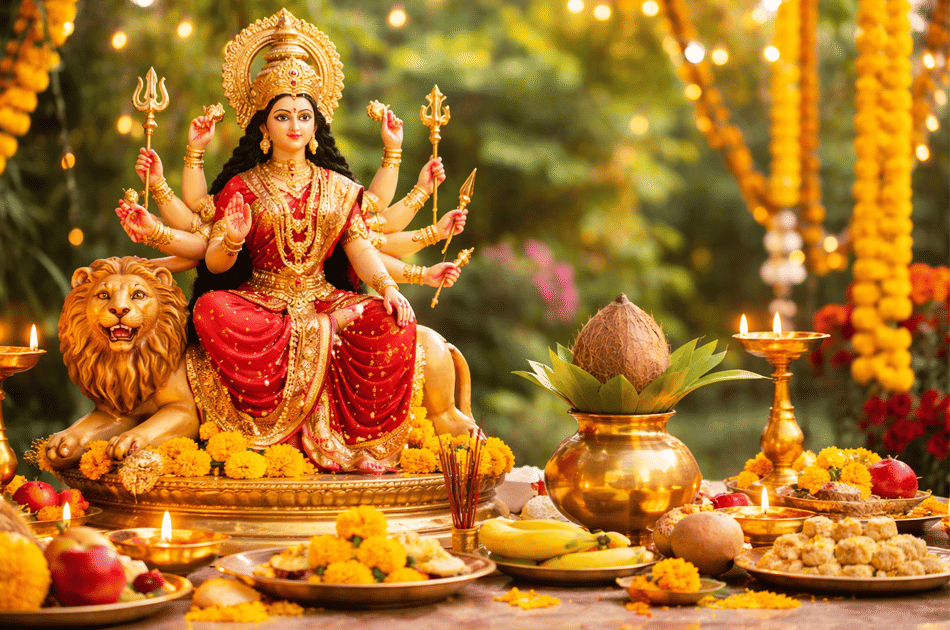
Everything You Need to Know About Chaitra Navratri 2026
Chaitri Navratri is viewed as one of the most sacred periods in the Hindu calendar. The nine day festival is observed to worship the nine forms of Goddess Durga and marks the commencement of the Hindu lunar year. It holds the message of the triumph of good over evil. During this period, devotees perform fasts, offer prayers, and present traditional offerings to seek blessings.
Chaitra Navratri in 2026 will start on March 19 and end with Ram Navami. Each day during this phase, a unique form of Goddess Durga is worshipped with a particular colour and offering
Day Wise Worship and Rituals
Day 1: Worship of Goddess Shailputri
Date: March 19
Colour: Yellow
Offering: Desi Ghee
Navratri starts with Ghatasthapana i.e. Kalash installation, which is considered as the ceremonial beginning of the festival. On Day 1, devotees worship the daughter of the Himalayas and the first form of Goddess Durga, Goddess Shailputri. Desi Ghee offerings are considered favourable for health and strength.
Day 2: Worship of Goddess Brahmacharini
Date: March 20
Colour: Green
Offering: Sugar
Day 2 is dedicated to Goddess Brahmacharini, who is seen as a symbol of knowledge, penance and devotion. Devotees on this day offer sugar or sweets and pray for spiritual growth, peace and prosperity.
Day 3: Worship of Goddess Chandraghanta
Date: March 21
Colour: Gray
Offering: Milk and milk products
Goddess Chandraghanta is worshipped on day 3. She is said to be the fierce and protective form of Goddess Durga. Dairy products like milk and kheer are offered on this day, and prayers are recited for courage and protection from negative energies.
Day 4: Worship of Goddess Kushmanda
Date: March 22
Colour: Orange
Offering: Malpua
The fourth day of this 9 day festival is dedicated to Goddess Kushmanda, who is said to have formed the universe with her smile. Devotees offer Malpua and pray for prosperity and happiness.
Day 5: Worship of Goddess Skandamata
Date: March 23
Colour: White
Offering: Bananas
Day 5 is dedicated to the mother of Lord Kartikeya, Goddess Skandamata. Bananas are offered on this day and blessings are sought for wisdom and the well being of family.
Day 6: Worship of Goddess Katyani
Date: March 24
Colour: Red
Offering: Honey
The sixth day is dedicated to the powerful warrior form of Goddess Durga, Goddess Katyani. Devotees offer honey to gain positive energy and Goddess’s blessings.
Day 7: Worship of Goddess Kaalratri
March: March 25
Colour: Royal Blue
Offering: Jaggery
The most fierce form of Goddess Durga, Goddess Kaalratri is worshipped on the seventh day. Jaggery is offered on this day.
Day 8: Worship of Goddess Mahagauri
Date: March 26
Colour: Pink
Offering: Coconut
Goddess Mahagauri, who symbolises peace and purity, is worshipped on day eight. Devotees offer coconut and dishes made from it to pray for prosperity, peace and happiness.
Day 9: Worship of Goddess Siddhidatri
Date: March 27
Colour: Purple
Offering: Sesame
The final day of Navratri is dedicated to Goddess Siddhidatri. As per the religious beliefs, at the start of creation, Rudra sought blessings from the Adi Parashakti, who later manifested as Goddess Siddhidatri. Sesame seeds are the offerings made on this day.
Significance of Chaitra Navratri
Chaitra Navratri marks the dawn of the Hindu New Year and is a festival dedicated to the worship of the nine forms of Goddess Durga. This festival conveys the message of the triumph of Dharma over Adharma and possesses deep spiritual importance.


Comments
No comments yet. Be the first to comment!


Categories
Select Topic
- All Blogs