Makar Sankranti: An Age-Old Festival of the Sun
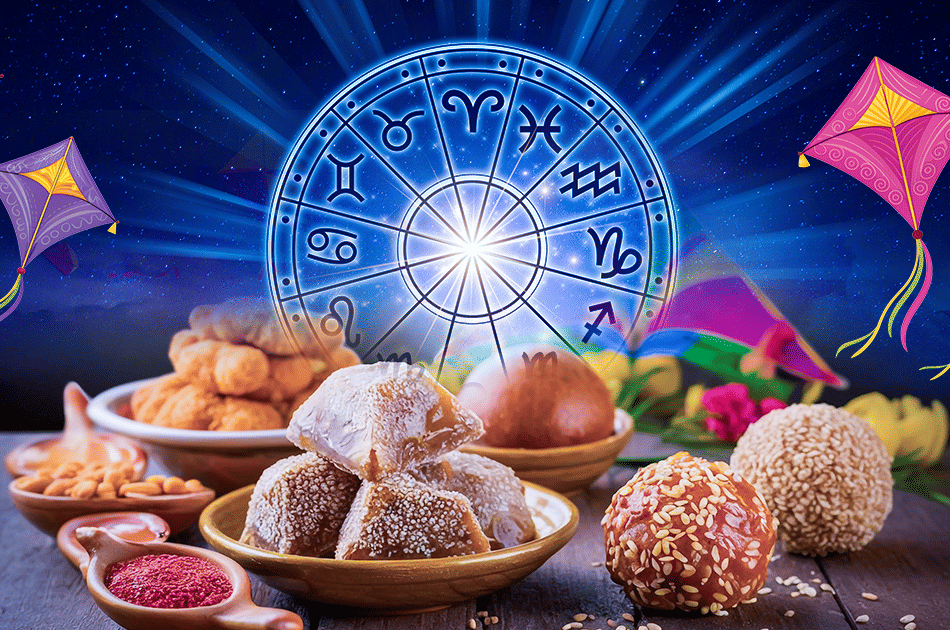
Makar Sankranti is one of the most prehistoric and widely celebrated festivals in India
Makar Sankranti is one of the most prehistoric and widely celebrated festivals in India. Unlike the majority of Hindu festivals that follow the lunar calendar, this festival acts in accordance with the solar calendar and denotes the Sun’s transition into the zodiac sign of Capricorn (Makara), a celestial event representing the conclusion of winter and the commencement of warmer days.
This festival has cultural, agricultural and astronomical importance in India and other regions of South Asia. It marks an occasion of happiness and reflection for the religious groups and communities.
When is Makar Sankranti 2026?
Makar Sakaranti in 2026 will be celebrated on January 14 on Wednesday.
- Makar Sankranti Punya Kala: 03:13 PM to 05:45 PM
- Makara Sankranti Maha Punya Kala: 03:13 PM to 04:58 PM
- Makara Sankranti Moment: 03:13 PM
A few local calendars and traditions at times suggest ritual observances extend into the following day (January 15) because of the variances in sunrise-based calculations, but the astronomical shift of the Sun into Capricorn occurs on January 14 itself.
History of Makar Sankranti
One of the very early festivals mentioned in ancient Indian traditions and texts, Makar Sankranti dates back to the Vedic Era. Back when ancient civilisations tracked and coordinated their lives with the transit of the Sun in a notable manner. The word “Sankranti” stands for the Sun’s progress into a particular “zodiac sign”, and “Makara” denotes “Capricorn".
This festival is observed to recognise the day the Sun enters Capricorn, thus starting the journey towards the north, called “Uttarayan.” As it is based on the solar calendar, Makar Sankranti is celebrated at almost the same time every year, usually around January 14.
Importance of Makar Sankranti
The significance of Makar Sankranti is rooted in its astronomical and spiritual significance. As per astronomy terms, the importance of Makar Sankranti is the sun’s transition, as it heads into the northern regions of the Earth, resulting in warmer and longer days. The other spiritual trait of the festival is its appearance around the harvest season in various parts of the country. The importance of the festival in this instance is the harvest season and the requirement for an abundant yield.
Spiritually, the beginning of Uttarayan is highly auspicious. This is the time when positive energies are ideal for meditations, prayer sessions and charitable works. Activities like holy baths, offering water to the sun, distribution of jaggery, sesame seeds, food or clothing items are all linked with cleansing of the body and soul and a sense of social inclusion.
Mythological beliefs related to Makar Sankranti
There are a few mythological fables associated with Makar Sankranti, which add a spiritual element to it. One such tale is from the Mahabharata - When Bhishma Pitama was wounded on the battlefield, he waited on his bed of arrows for this pious day of Uttaraya to leave his mortal body. He believed doing so would grant him salvation (moksha). Another prominent set of beliefs is the worship of Lord Surya (Sun), which is the symbol of health, knowledge and overall life. In a few traditions, Makar Sankranti celebrations are also associated with myths that symbolise the triumph of good over evil. These myths collectively represent the associated message of new hope and development towards positivity.
Primary Rituals and Customs Across India
(i) Holy Baths and Surya Puja
One of the most significant practices on the auspicious day of Makar Sankranti is to take a holy dip, particularly in sacred rivers like the Yamuna, Godavari, Ganga, etc. This ritual is said to purify one of their sins and usher in prosperity.
After taking a dip, devotees offer water to Surya Dev (Sun), along with rice, red flowers and sesame seeds (til). It is seen as a gesture of gratitude for the vitalising energy the sun provides.
(ii) Charity or Daan
Helping out the needy, especially by giving them food grains, sesame (til), and jaggery, is deemed highly auspicious on this day. These acts of care and charity are said to bring blessings and minimise past karmic burdens.
(iii) Traditional foods
People prepare and share sesame and jaggery sweets. These sweets symbolise warmth and communal harmony. Now, the festive food can differ from region to region based on what they consider propitious. For example, Karnataka has Ellu Bella, a mix of sesame seeds, groundnuts, jaggery, sugar crystals, dry coconut and grams.
(iv) Kite Flying
In Gujarat and Rajasthan, this festival turns into a kite-flying fest. The skies are filled with colourful kites, representing festive joy and freedom.
Makar Sankranti exquisitely blends spirituality, culture, tradition and astronomy. Be it taking a holy bath, flying kites or enjoying sweets with loved ones, this festival reminds us of the beautiful relation between nature and human life; the interconnectedness of seasons, harvests and the vivifying sun.


Comments
No comments yet. Be the first to comment!

Categories
Select Topic
- All Blogs